

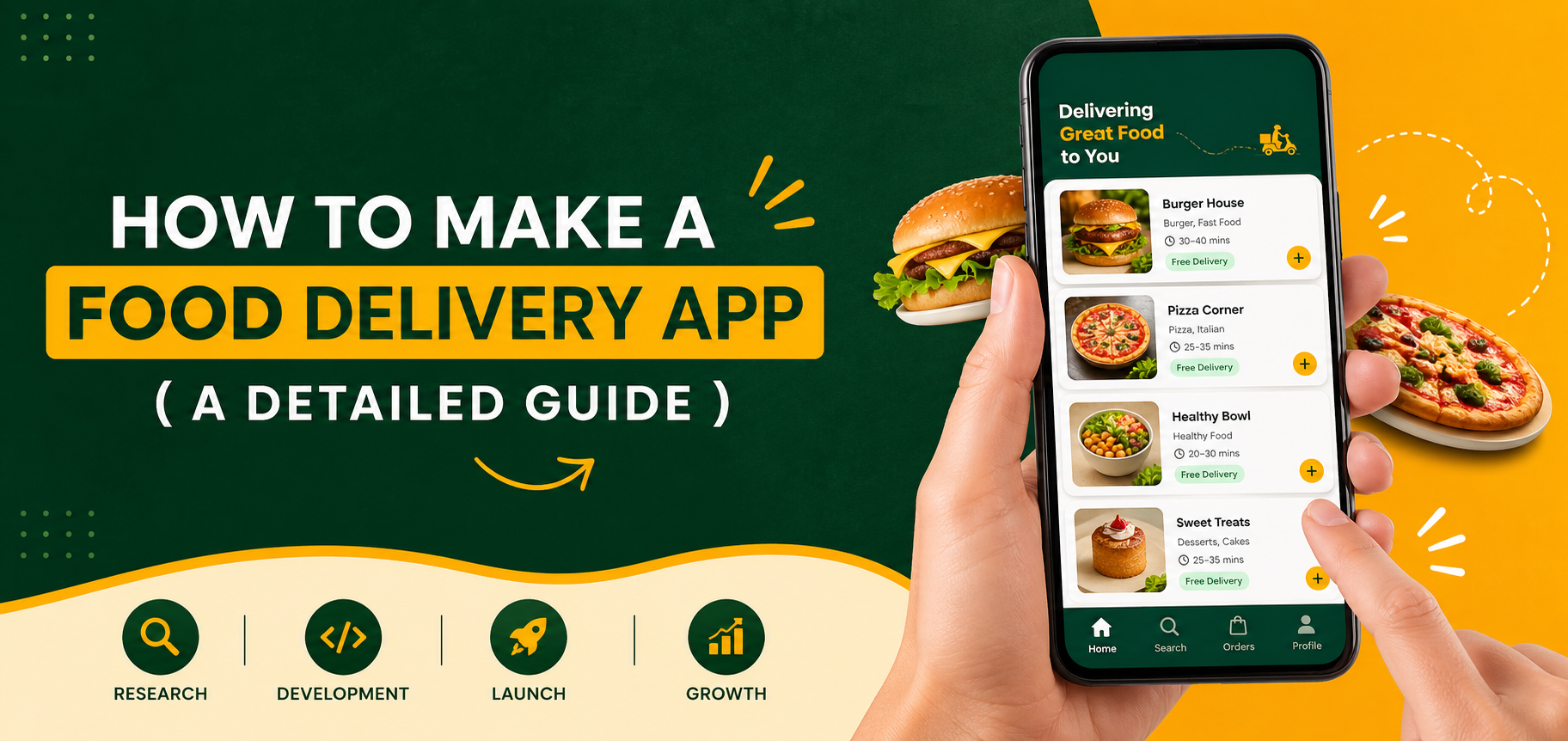
How to Build a Food Delivery App for Your Local Business in India (Complete Beginner’s Guide)
The food delivery app development in India market is growing rapidly, creating huge opportunities for local businesses, startups, and entrepreneurs. If you’ve been thinking about launching your own food delivery app, this guide will help you understand the complete process—from idea to launch and growth.
Whether you run a restaurant or want to build a multi-restaurant platform, this step-by-step guide is designed especially for beginners.
Food Delivery App Development in India: Why It Matters?
Why Start a Food Delivery App in India?
With increasing Smartphone usage and demand for convenience, customers now prefer ordering food online instead of visiting restaurants. A well-built food delivery app can help you:
- Reach more customers in your area
- Increase daily orders and revenue
- Build a strong digital brand
- Compete with larger platforms in your local market
Step 1: Choose the Right Business Model
Before starting development, decide what type of app you want to build:
- Single Restaurant App – Best for individual restaurants or cloud kitchens
- Multi-Restaurant Platform – A marketplace where multiple restaurants can join
- Hyper local Delivery App – Focused on a specific area or niche
Choosing the right model will define your features, cost, and growth strategy.
Step 2: Must-Have Features for a Food Delivery App Development in India
To succeed in today’s competitive market; your app must be simple, fast, and reliable.
Customer App Features
- Easy login/signup (OTP, Google login)
- Browse restaurants and menus
- Add to cart and quick checkout
- Multiple payment options (UPI, cards, wallets, COD)
- Real-time order tracking
- Ratings and reviews
Restaurant Dashboard
- Manage menu and pricing
- Accept or reject orders
- Update availability
Delivery Partner App
- Order notifications
- Live navigation
- Delivery status updates
Admin Panel
- Manage users, orders, and restaurants
- View reports and analytics
- Control commissions and pricing
Step 3: Choosing the Right Tech Stack
You don’t need deep technical knowledge, but understanding the basics helps you make better decisions.
- Frontend (App Development): Flutter or React Native
- Backend: Node.js, Python, or PHP
- Database: MongoDB or MySQL
- Maps & Tracking: Google Maps API
- Cloud Hosting: AWS or Google Cloud
Using cross-platform frameworks like Flutter helps reduce cost and development time.
Step 4: Payment Gateway Integration in India
A smooth and secure payment system is critical for conversions. Your app should support:
- UPI payments
- Debit/Credit cards
- Wallets (Paytm, PhonePe, etc.)
- Cash on Delivery
Popular payment gateways in India include Razorpay, Cashfree, and PayU.
Step 5: Real-Time Tracking & Notifications
Customers expect transparency when they order food. Your app must include:
- Live order tracking with map view
- Order status updates (confirmed, preparing, out for delivery)
- Push notifications and SMS alerts
This improves trust and overall user experience.
Step 6: Scaling with Multi-Restaurant Support
If you plan to grow your business:
- Allow restaurants to register and manage their listings
- Set up a commission-based revenue model
- Provide separate dashboards for each restaurant
This transforms your app into a scalable platform.
Step 7: Build vs Partner with Experts
When it comes to development, you have two options:
Build Your Own Team
- Requires developers, designers, and testers
- Higher cost and longer timeline
- Risky if you’re new to app development
Partner with an Experienced Company
This is often the better choice for beginners.
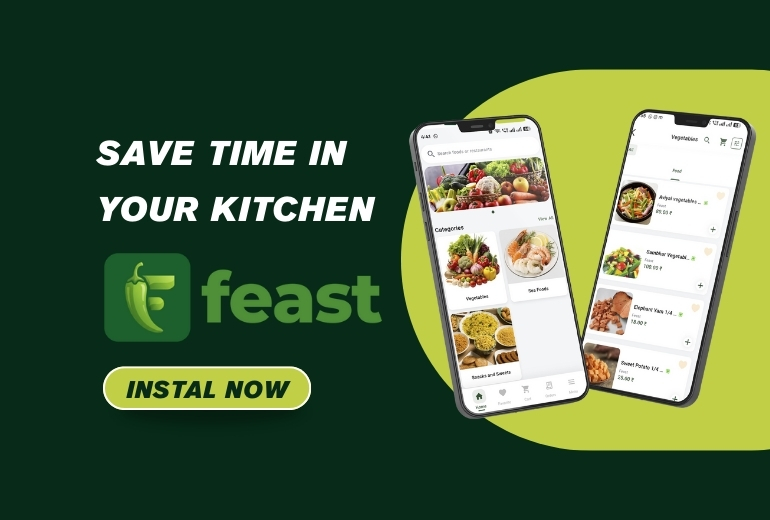
Working with an experienced development company like ERPL, which has already built and launched a real-world food delivery platform like Feast, can significantly reduce development time and risk. Instead of starting from scratch, you benefit from proven systems, tested features, and industry expertise.
Step 8: Testing Before Launch
Before going live, make sure your app is fully tested:
- Check performance on different devices
- Test payment flow and order tracking
- Fix bugs and improve speed
A smooth experience is key to customer retention.
Step 9: Launch Strategy for Local Success
Start small and expand gradually:
- Launch in a specific city or area
- Partner with a few restaurants initially
- Offer discounts or free delivery
- Collect user feedback and improve
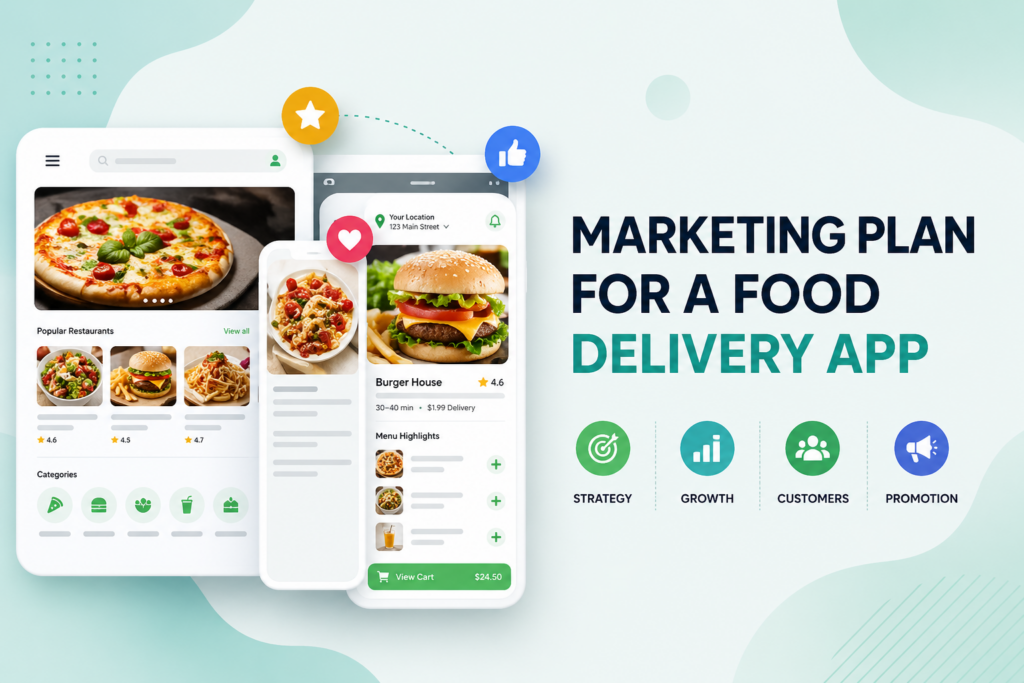
Step 10: Marketing Your Food Delivery App
Building the app is only half the job—marketing is what drives growth.
Digital Marketing
- Run Instagram and Face book ads
- Use Google Ads for local searches
- Collaborate with local influencers
Offline Marketing
- Distribute flyers and banners
- Partner with nearby businesses
Retention Strategies
- Offer discounts and promo codes
- Launch loyalty programs
- Send push notifications for offers
Final Thoughts
Building a strong strategy for food delivery app development in India can help you create a successful and scalable business.
If you’re a first-time founder, working with an experienced team can save you time, reduce risk, and help you launch faster. With the right approach, your food delivery app can grow into a strong and profitable local platform.

Leave A Comment